
Meet Sebastian
I don't believe founders become the bottleneck because they lack capability.
I believe they become the bottleneck because the leadership habits that created their success eventually become the reason the business still depends on them.
More than 15 years of leading teams, transforming organizations and coaching leaders have shaped that belief.
As Chief Mindsetter, that’s the work I am dedicated to.

I'm lazy by nature.
That might sound like an odd thing for a leadership coach to admit.
But it's also why I've spent over 15 years of my career trying to make myself redundant.
For more than 15 years, my job has been remarkably simple:
Build leaders.
Build teams.
Then get out of their way.
Whether I was leading inside startups, global organizations or working with founders, I kept asking the same question:
"How do I make myself less necessary?"
At first, I thought the answer was better delegation.
Eventually, I realized that was only the surface problem.

I noticed something that kept repeating itself.
The founders weren't surrounded by incapable people.
Most had hired well.
Their teams were smart.
Committed.
Experienced.
Yet the same pattern kept showing up.
Decisions came back to the founder.
Ownership drifted upwards.
Everyone waited for reassurance.
Not because the team lacked capability.
Because the business had quietly learned that the founder was still the safest place for important decisions.
I haven’t looked at leadership the same way since.
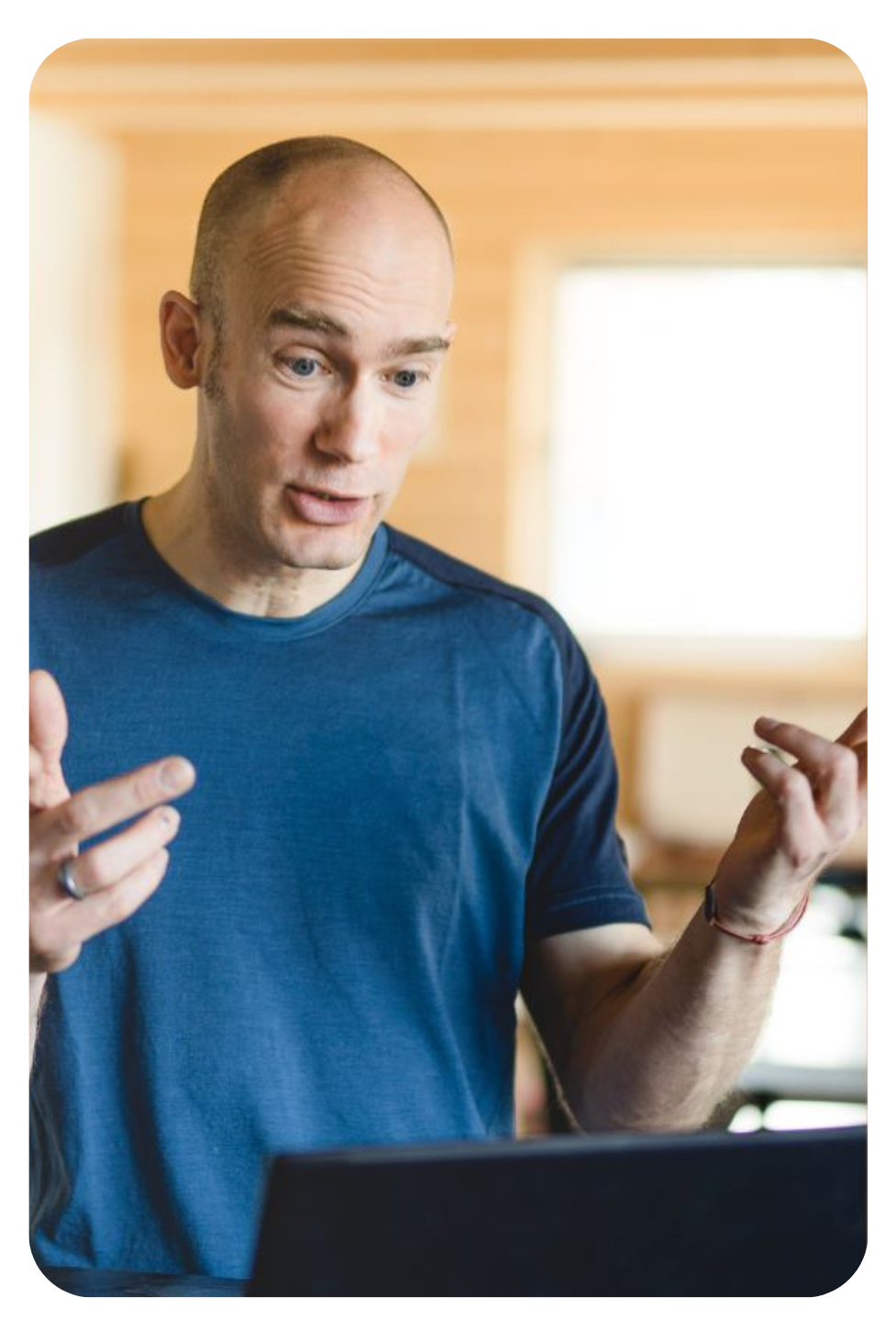
Over the years, I've led transformation initiatives, built leaders, and coached founders across three continents – from the Marshall Islands to Seattle's Eastside and across Europe.
I've worked with organizations in technology, finance, commerce, education, and not-for-profit.
Different contexts.
Same human patterns.
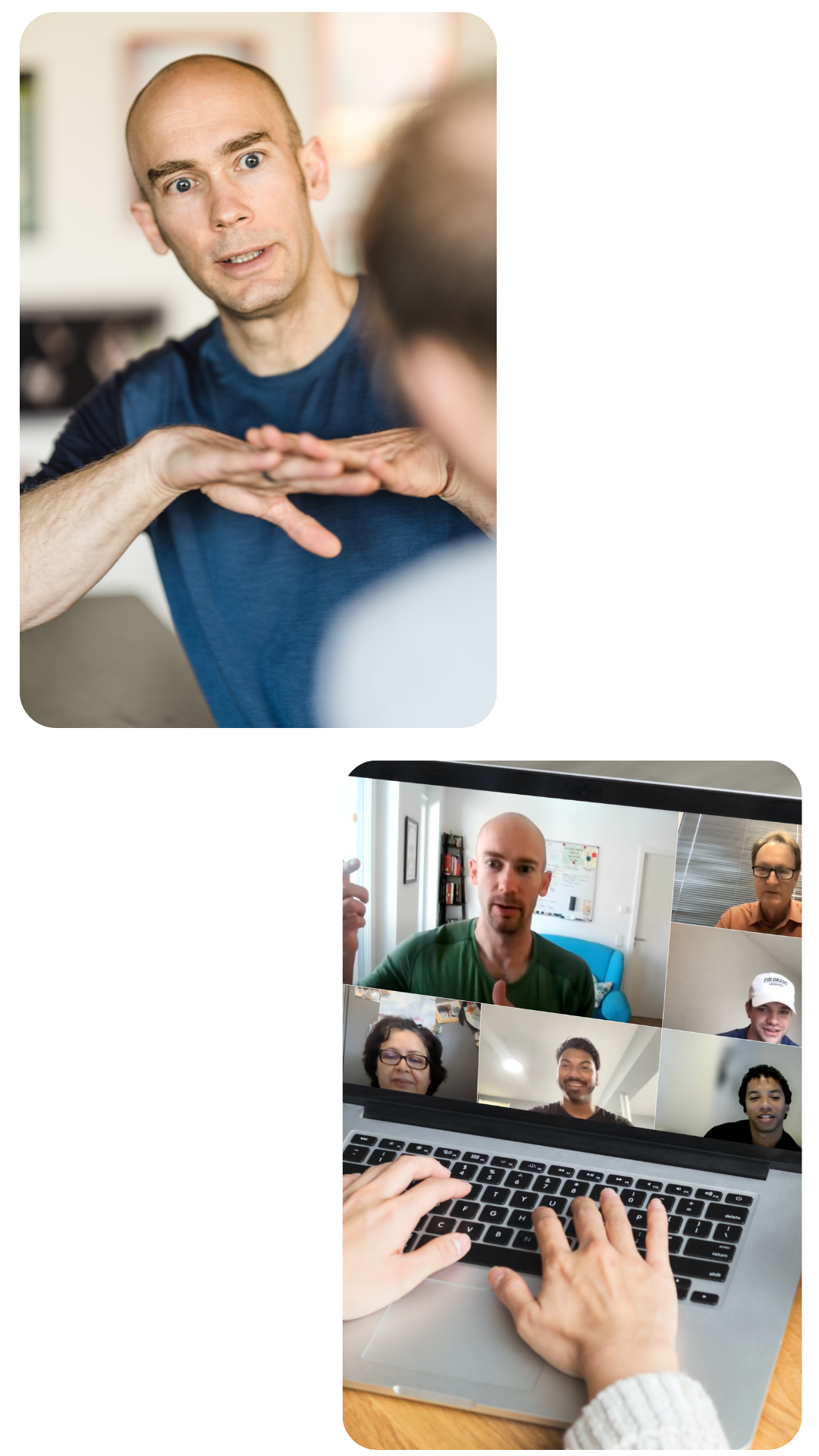
Today, I work with founders who have already built successful businesses.
They don't need more leadership theory.
They don't need another delegation framework.
They want a thinking partner who helps them see the patterns they've stopped noticing.
That's why I describe myself as a Sparring Partner rather than a coach.
Because our conversations aren't about giving answers.
They're about changing the questions.

For me, the questions I explore with founders don't stop when the working day ends.
They show up in how I try to lead as a father.
As a partner. As a friend.
Because leadership isn't something we switch on when we arrive at work.
It's how we choose to show up every day.